

Appalachian State University was the first institution in North Carolina — and among the first in the nation — to offer specialized degrees for middle grades teachers. Today, the program continues that tradition of excellence, preparing educators who are knowledgeable, ethical, and effective in meeting the diverse needs of young adolescents.
App State’s Middle Grades Education program is nationally recognized for its quality, innovation, and strong partnerships with schools across North Carolina and beyond.
Licensure Pathways:
- Bachelor of Science in Middle Grades Education (Grades 6-9)
- Bachelor of Science in Secondary Education (Grades 9-12)
- Middle (Grades 6-9) and Secondary (Grades 9-12) Teaching Graduate Certificate (Online – Licensure)
Mission and Vision
The Middle Grades Education Program prepares reflective, collaborative educators who understand the developmental, cultural, and academic needs of young adolescents.
The program emphasizes:
- Strong academic preparation in both liberal arts and pedagogy
- Diverse field experiences across varied school settings
- Commitment to inclusive, developmentally responsive teaching
Program Goals
Our program is performance-based and standards-driven, guided by App State’s Middle Grades Teacher Preparation Program Standards and national best practices. We prepare graduates to become:
- Young Adolescent Advocates: Knowledgeable about early adolescent development and committed to student growth and equity.
- Subject-Matter Experts: Skilled in teaching two subject areas with multiple methodologies.
- Facilitators of Learning: Able to design, implement, and evaluate effective instruction.
- Collaborative Professionals: Team-oriented, reflective, and engaged in ongoing professional learning.
Bachelor of Science in Middle Grades Education (Grades 6-9)
The Bachelor of Science (B.S.) in Middle Grades Education prepares you to be an effective educator and advocate for early adolescent students with specialization in at least two subject areas—a rewarding career working with a unique age group in the midst of developing their adult identities.
Through coursework and extensive field experiences, you’ll develop the knowledge and confidence to create inclusive, engaging learning environments that support all students while working within collaborative interdisciplinary teams.
View admissions information and deadlines for specific subject area concentrations:
- Language Arts and Mathematics
- Language Arts and Science
- Language Arts and Social Studies
- Mathematics and Science
- Mathematics and Social Studies
- Science and Social Studies
- Science and Social Studies (Online Option)
Program Highlights
- Flexible Options: Offered on campus, online, and at off-campus sites across North Carolina.
- Applied Learning: Built-in classroom experiences from early coursework through full-time student teaching.
- Expert Faculty: Learn from experienced teachers and scholars dedicated to your success.
- Strong Outcomes: Graduates are in high demand across North Carolina and beyond.
- Engagement Opportunities: Students engage in leadership and professional development opportunities through professional organizations, including:
Coursework Overview
Your 120-semester hour course of study includes:
- 44 semester hours of general education
- 24 semester hours in professional core and student teaching
- 24 semester hours in middle grades education and internships
- 25-32 semester hours in subject area concentrations
- 0-8 semester hours in electives
View the program of study for your subject matter areas in the Undergraduate Course Bulletin
Admission to Teacher Education
Before formal admission to the Reich College of Education, students must:
- Earn a grade of “C” or better in required professional education courses
- Complete an admission request form
- Maintain satisfactory academic progress
Learn more about applying to Teacher Education
Career Outcomes
Graduates of App State’s Middle Grades Education (BS) Program are prepared to:
- Teach in public and private 6-9 classrooms
- Serve as instructional leaders in schools and communities
- Pursue graduate studies or advanced licensure
App State alumni are known for their professionalism, compassion, and commitment to excellence in education.
Contact
Dr. Damiana Gibbons Pyles
Undergraduate Program Director
233 D College of Education Building
828-262-2277
pylesdg@appstate.edu
Bachelor of Science in Secondary Education (Grades 9-12)
Appalachian State University prepares future educators to teach and inspire high school learners through its Bachelor of Science in Secondary Education programs. These programs develop strong content experts who are also skilled in creating inclusive, engaging learning environments for adolescents in grades 9–12.
Undergraduate programs leading to secondary education licensure are offered within the academic departments that specialize in those subject areas. Explore App State’s list of undergraduate programs to locate your secondary education program of interest.
Middle and Secondary Education Graduate Certificate (Online – Licensure)
The Middle Grades Education Graduate Certificate is an online licensure program designed for individuals seeking an A-level (initial) teaching license in middle grades (6-9) and/or secondary level (9-12) education.
You’ll study with faculty who specialize in preparing teachers for today’s diverse, technology-enhanced classrooms. This 17-month program emphasizes both content mastery and pedagogical expertise to help you meet the needs of 21st-century learners.
Learn more about Residency Licensure
Program Benefits
- 100% Online: Learn from anywhere while continuing to work.
- Residency Licensure Option: Meets coursework requirements for those teaching under a North Carolina Residency License.
- Applied Learning: Engage in experiences that connect theory to classroom practice.
- Efficient Pathway: Ability to complete the program in as few as three semesters.
What You’ll Learn
- Theoretical and philosophical foundations of middle grades and secondary education
- Developmental and learning processes for early adolescent and adolescent age groups
- Instructional design, evaluation, and curriculum development
- Strategies for technology integration and culturally responsive teaching
- Research-based methods to support diverse learners
Contact
Resources for K-12 Education Students
Campus Resources
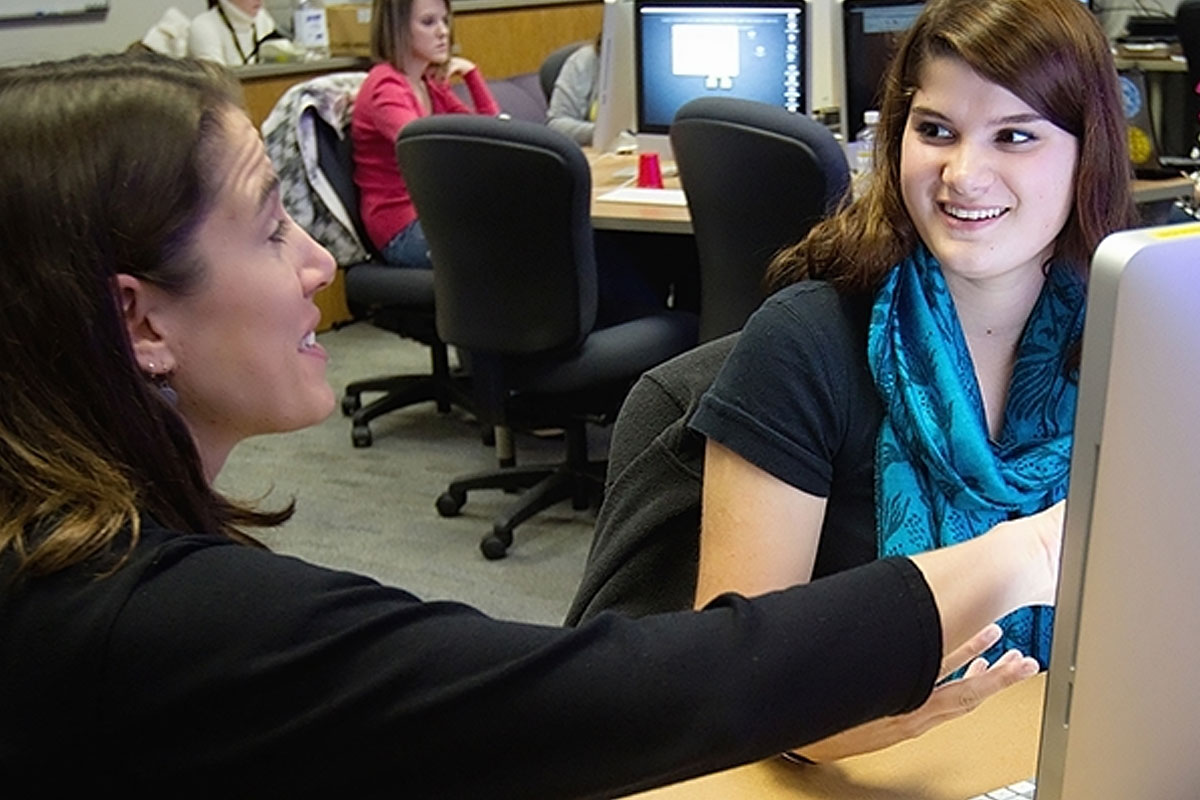
This collection of campus resources is provided to connect students with some of the key services and support available to App State students.
Office of Field Experiences
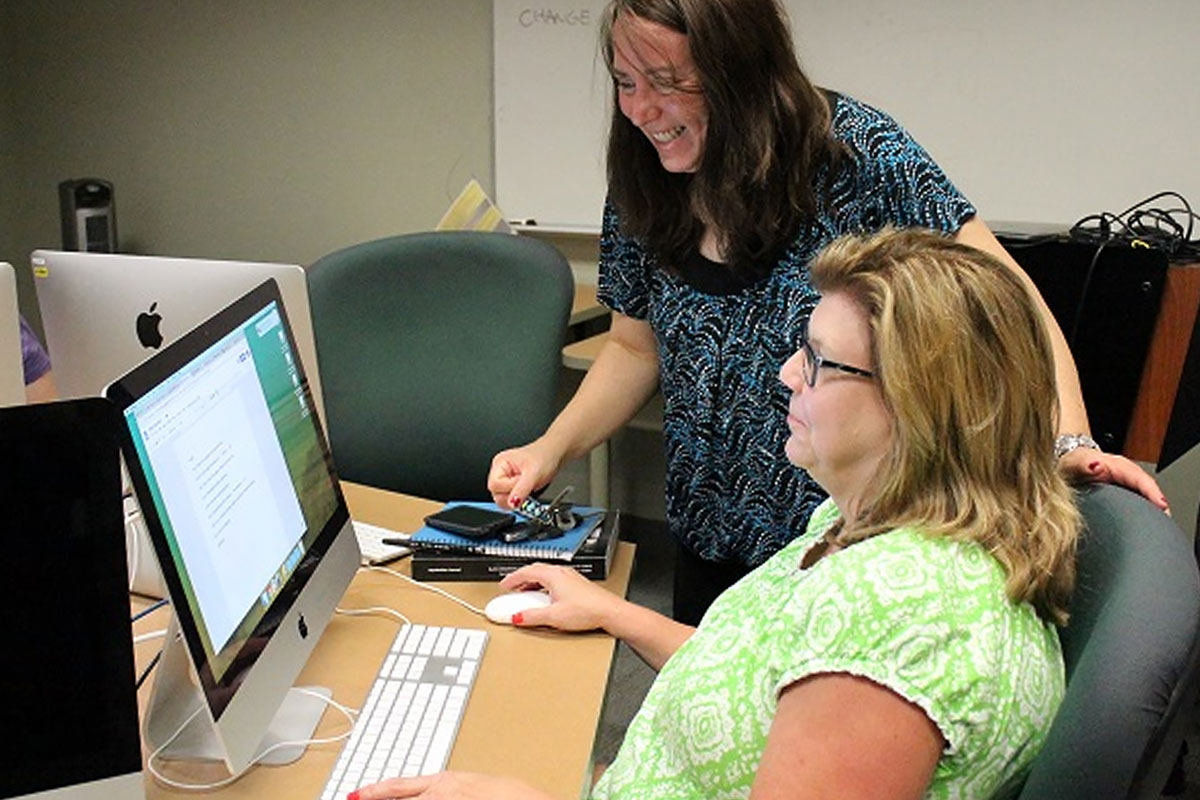
The Office of Field Experiences coordinates site-based learning, internships, and student teaching for all teacher education and counseling licensure programs.
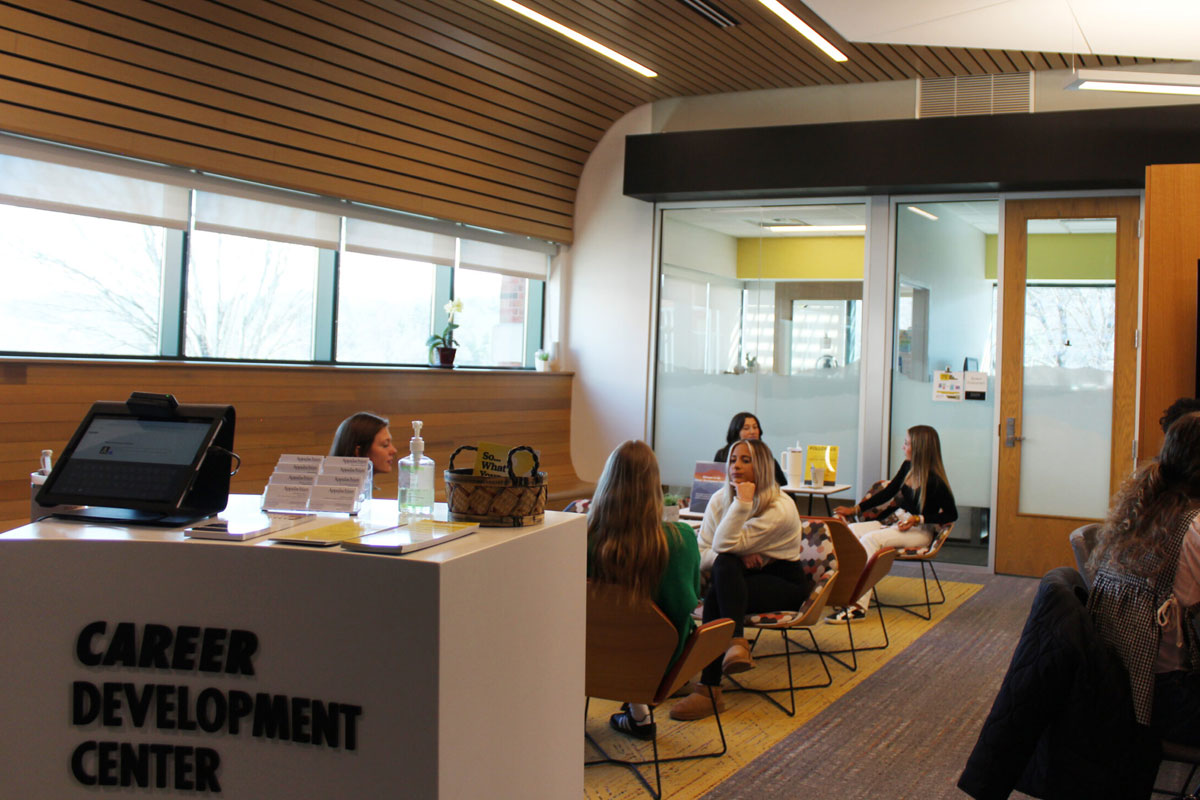
Engaging Future Educators
James Center for Student Success and Advising
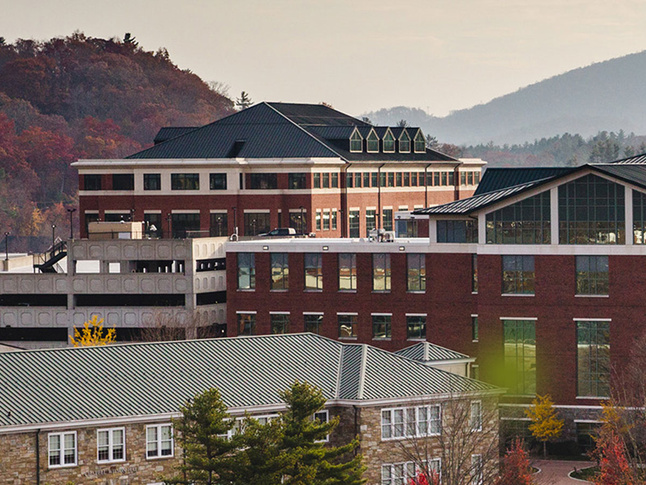
Preparing quality educators is a cornerstone of Appalachian’s past, present and future. When it comes to education, the state and region look FIRST to Appalachian for innovative instruction, faculty excellence and student success.
Tk20 Teacher Education Portfolio
Tk20 by Watermark is the edTPA portfolio system used by App State for students admitted to Teacher Education. Approved students and faculty have access to the system via your App State credentials.